Introduction
Warehouse automation has become a key part of modern logistics and supply chain operations in the United States. With the rapid growth of eCommerce, retail distribution, and global shipping networks, companies are investing heavily in automation systems to improve efficiency, reduce labor costs, and handle increasing order volumes. In Tier-1 markets like the USA, warehouse automation is no longer optional but a necessary step for businesses looking to stay competitive.
Automation in warehouses involves the use of advanced machinery, robotics, and software systems to manage inventory, process orders, and move goods efficiently. These systems are widely used by large distribution centers, fulfillment hubs, and manufacturing facilities.
Types of Warehouse Automation Equipment
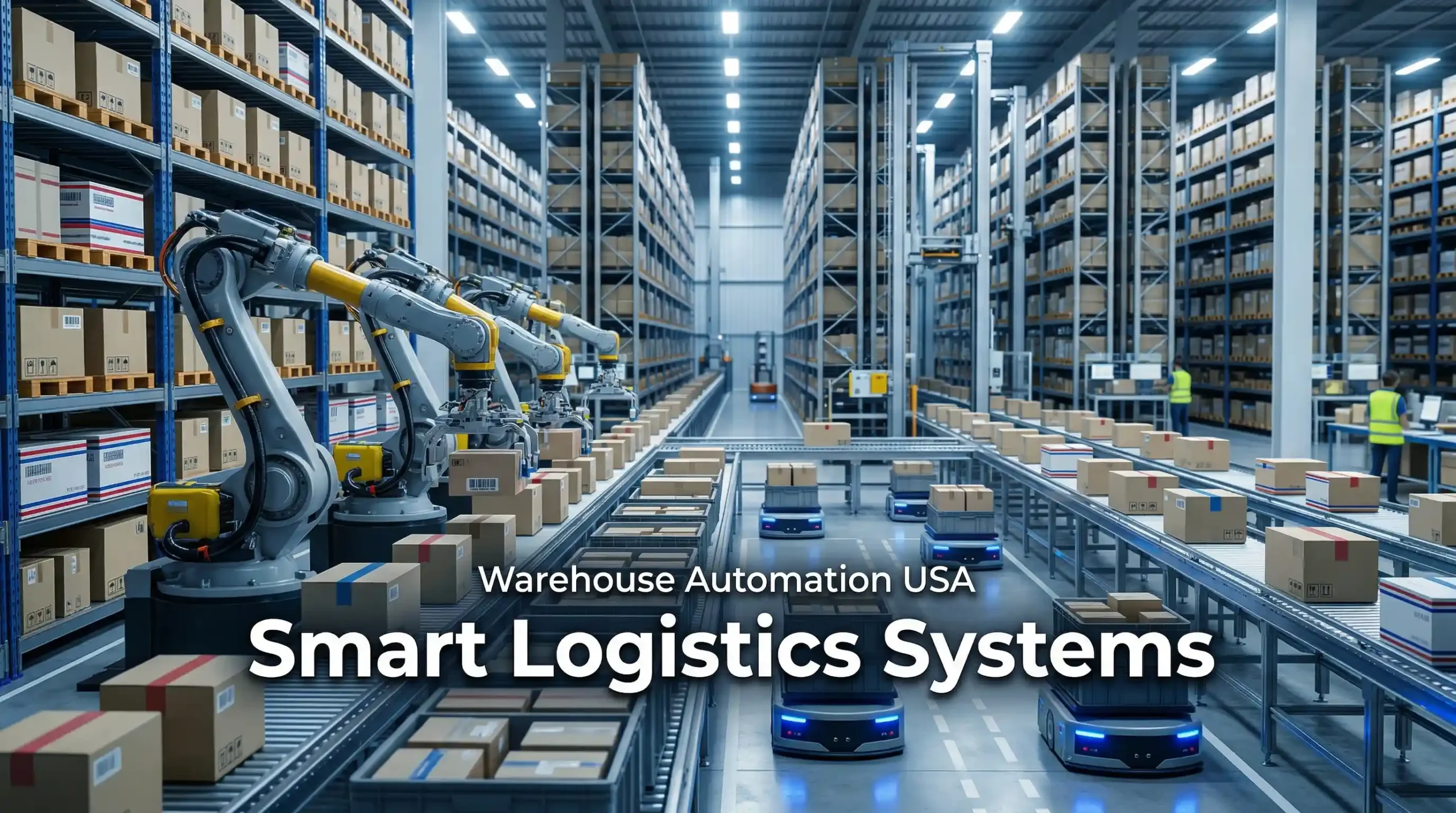
Warehouse automation includes a wide range of equipment designed to streamline operations and improve productivity. Conveyor systems are one of the most commonly used solutions, allowing goods to move quickly between different areas of a warehouse. These systems are widely used in sorting, packaging, and shipping processes.
Automated Storage and Retrieval Systems (AS/RS) are another important component of warehouse automation. These systems use robotic shuttles and cranes to store and retrieve products from high-density storage areas. They are ideal for maximizing storage space and improving inventory management.
Robotic picking systems are becoming increasingly popular in modern warehouses. These systems use robotic arms and AI technology to pick and pack items with high accuracy and speed. They are widely used in eCommerce fulfillment centers where order volumes are high.
Forklifts and automated guided vehicles (AGVs) are used for transporting goods within warehouses. AGVs can operate without human intervention, following predefined paths to move materials efficiently.
Leading Warehouse Automation Companies in the USA
Several companies are leading the warehouse automation industry by providing advanced solutions for logistics and supply chain management. Daifuku Co., Ltd. is one of the global leaders in material handling and warehouse automation systems, offering solutions for various industries.
KION Group is another major player, known for its advanced forklift systems and automation technologies. The company provides integrated solutions that improve warehouse efficiency and productivity.
Honeywell International Inc. offers software-driven automation solutions, including warehouse management systems and scanning technologies. SSI Schaefer is also a key player, providing storage and automation systems for warehouses across Tier-1 countries.
These companies continue to innovate by integrating robotics, AI, and data analytics into their systems.
Cost of Warehouse Automation Systems in the USA
The cost of warehouse automation systems varies depending on the size of the facility and the level of automation required. Small automation setups can cost between $50,000 and $200,000, making them suitable for medium-sized businesses.
Larger systems that include conveyors, AS/RS, and robotic solutions can range from $500,000 to several million dollars. Fully automated warehouses used by major eCommerce companies often require multi-million-dollar investments.
Businesses searching for warehouse automation cost USA, automation systems for warehouses, or logistics automation solutions are typically looking for scalable and cost-effective solutions.
Benefits of Warehouse Automation
Warehouse automation offers several advantages for businesses. One of the main benefits is increased efficiency, as automated systems can handle tasks faster and more accurately than manual labor. This leads to improved productivity and reduced operational costs.
Automation also helps reduce errors in order processing, ensuring higher accuracy in inventory management. Additionally, it improves workplace safety by minimizing the need for manual handling of heavy goods.
Another major benefit is scalability. Automated systems can handle increased workloads without requiring significant additional labor, making them ideal for growing businesses.
Technology Trends in Warehouse Automation
Technology is driving rapid changes in warehouse automation. Artificial intelligence and machine learning are being used to optimize operations and improve decision-making. Real-time data analytics allows businesses to monitor performance and identify areas for improvement.
Robotics is also playing a major role, with advanced robots capable of handling complex tasks such as picking, sorting, and packaging. Autonomous mobile robots (AMRs) are becoming increasingly popular due to their flexibility and ease of deployment.
Demand in Tier-1 Markets
The demand for warehouse automation in the United States continues to rise due to the growth of eCommerce and global trade. Companies are investing in automation to meet customer expectations for fast and accurate delivery.
Search trends show strong interest in keywords such as warehouse automation systems USA, logistics automation companies, and automated warehouse solutions. These keywords indicate high commercial intent, making this niche highly valuable for content and monetization.
Conclusion
Warehouse automation is transforming the way businesses manage their logistics and supply chain operations in the United States. With advanced equipment, leading companies, and innovative technologies, automation systems are helping businesses improve efficiency, reduce costs, and scale their operations. As demand continues to grow, warehouse automation will remain a key focus for companies looking to stay competitive in modern markets.