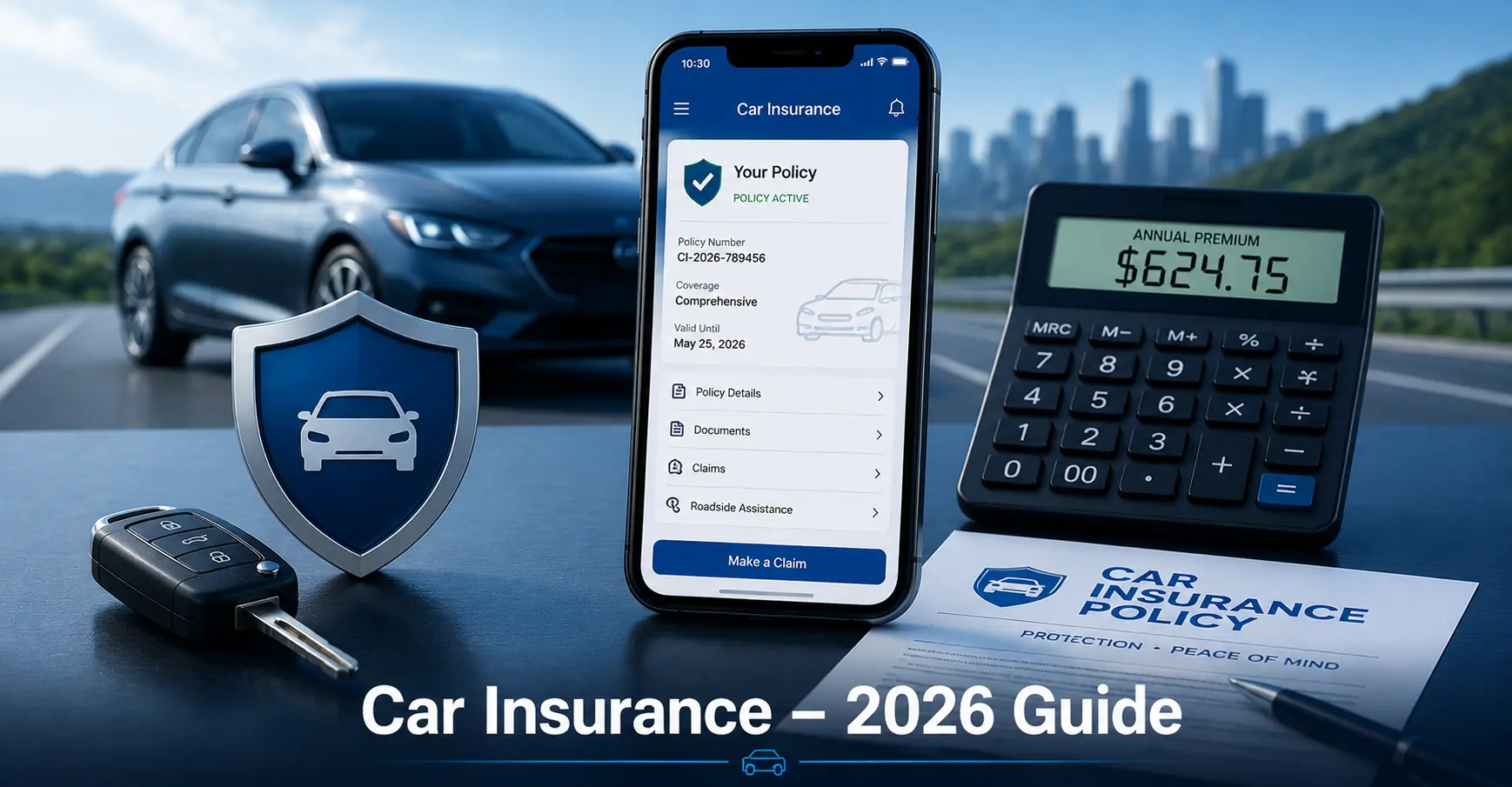
Car insurance is a mandatory or essential financial product for vehicle owners across leading developed economies. In the United States, United Kingdom, Canada, Germany, France, Japan, and Australia, drivers are required by law to carry at least minimum levels of car insurance. Understanding the different types of coverage, factors that affect premiums, and how to compare policies can help consumers find appropriate protection at reasonable costs. This article provides a general overview of car insurance across these mature markets. It is for informational and educational purposes only.
What Is Car Insurance
Car insurance is a contract between a vehicle owner and an insurance company. The policyholder pays regular premiums, and the insurer agrees to cover specified financial losses resulting from accidents, theft, or other covered events. Car insurance protects the policyholder from potentially large out of pocket expenses. It also provides liability coverage which pays for injuries or property damage caused to others. Most developed economies require drivers to carry at least liability insurance by law.
Common Types of Car Insurance Coverage
Liability insurance covers injuries and property damage that the policyholder causes to others in an at fault accident. This coverage is mandatory in most developed economies. Liability insurance typically has two components. Bodily injury liability pays for medical expenses, lost wages, and legal fees of the injured party. Property damage liability pays for repairs to other vehicles or damaged property.
Collision insurance covers damage to the policyholder’s own vehicle resulting from a collision with another vehicle or object. This coverage is typically required if the vehicle is financed or leased. Collision coverage pays for repairs or the actual cash value of the vehicle if it is totaled.
Comprehensive insurance covers damage to the policyholder’s vehicle from non collision events. Covered events typically include theft, vandalism, fire, hail, floods, falling objects, and animal strikes. Comprehensive coverage is also required for financed or leased vehicles.
Personal injury protection pays for medical expenses for the policyholder and passengers regardless of who caused the accident. This coverage is mandatory in some regions and optional in others. It may also cover lost wages and rehabilitation costs.
Uninsured and underinsured motorist coverage protects the policyholder if they are hit by a driver who has no insurance or insufficient insurance. This coverage pays for medical expenses and vehicle repairs that the at fault driver cannot cover.
Gap insurance covers the difference between the vehicle’s actual cash value and the amount owed on a loan or lease. This is useful for new vehicles that depreciate quickly. If a new car is totaled in the first few years, gap insurance prevents the policyholder from owing money on a vehicle they no longer have.
Factors That Affect Car Insurance Premiums in 2026
Driving record is one of the most significant factors affecting premiums. Drivers with accidents or traffic violations on their record pay higher rates. A clean driving record typically results in lower premiums.
Age and experience affect risk assessment. Younger and inexperienced drivers pay higher premiums due to higher accident rates. Drivers over 25 with several years of experience generally pay lower rates. Senior drivers may see rate increases after a certain age depending on the insurer.
Location matters because accident rates, theft rates, and repair costs vary by area. Urban drivers typically pay more than rural drivers due to higher traffic density and crime rates.
Vehicle type affects premiums. Expensive vehicles cost more to repair or replace. Vehicles with high safety ratings and anti theft devices may qualify for discounts. Sports cars and luxury vehicles generally have higher premiums.
Annual mileage affects risk exposure. Drivers who travel more miles annually have higher chances of being in an accident and typically pay higher premiums.
Credit history is used as a rating factor in many developed economies. Studies show that credit history correlates with insurance risk. Maintaining good credit can lead to lower premiums. Some regions restrict or prohibit the use of credit history in insurance pricing.
Deductible amount affects premiums. Higher deductibles mean lower monthly premiums because the policyholder assumes more financial responsibility for small claims. Lower deductibles result in higher premiums but less out of pocket expense when filing a claim.
Coverage limits selected by the policyholder affect premiums. Higher coverage limits provide more protection but cost more. State or provincial minimums are the cheapest option but may leave the policyholder exposed to significant financial risk.
How Insurance Companies Calculate Risk
Insurance companies use complex algorithms to assess each driver’s risk profile. They analyze historical data to determine the likelihood that a policyholder will file a claim. Factors are weighted differently by each insurer. This is why premiums for the same driver can vary significantly between companies. Telematics programs are increasingly common in 2026. These programs use a mobile app or device to monitor driving behavior including speed, braking, acceleration, and time of day. Safe drivers can receive significant discounts through these usage based insurance programs.
Car Insurance Regulations Across Developed Economies
The United States has state based regulation of car insurance. Each state sets its own minimum coverage requirements. Some states follow a tort system where the at fault driver pays for damages. Other states have no fault systems where each driver’s own insurance pays for their injuries regardless of fault.
The United Kingdom follows regulations from the Financial Conduct Authority. All drivers must have at least third party liability coverage. The Motor Insurers Bureau provides compensation for victims of uninsured or untraced drivers.
Canada has provincial regulation of car insurance. British Columbia, Saskatchewan, Manitoba, and Quebec have public insurance systems. Other provinces have private insurance systems. Each province sets its own minimum coverage requirements.
Germany, France, and other European Union countries follow the Motor Insurance Directive. This establishes minimum coverage requirements across member states. Drivers must carry at least third party liability insurance. The Green Card system provides proof of insurance when driving across borders.
Japan has compulsory automobile liability insurance required for all vehicles. Many drivers purchase additional voluntary insurance for more complete protection. The system is regulated by the Financial Services Agency.
Australia has state and territory based regulation. Each jurisdiction requires compulsory third party insurance which covers injuries to others. Comprehensive coverage is optional.
How to Compare Car Insurance Policies
Comparing only price is a common mistake. Consumers should compare coverage limits, deductibles, exclusions, and additional benefits. Some policies include roadside assistance, rental car reimbursement, or new car replacement. Reading customer reviews can provide insight into claims handling and customer service. Getting quotes from at least three insurers is recommended before making a decision.
Common Discounts Available in 2026
Multi policy discounts apply when purchasing car insurance and home or renters insurance from the same company. Safe driver discounts reward drivers with clean records over a specified period. Good student discounts are available for young drivers maintaining certain grade averages. Low mileage discounts apply for drivers who travel fewer miles than average. Anti theft device discounts are available for vehicles with factory or aftermarket anti theft systems. Defensive driving course discounts apply for completing approved courses. Pay in full discounts apply when paying the annual premium upfront rather than monthly. Automatic payment and paperless billing discounts are offered by many insurers.
How to File a Car Insurance Claim
After an accident, the policyholder should ensure everyone is safe and contact local authorities if needed. Information should be exchanged with other involved drivers including names, contact information, and insurance details. Photos of the accident scene and vehicle damage should be taken. The insurance company should be contacted as soon as possible. The claims adjuster will investigate the accident and determine coverage. Repairs can proceed after the claim is approved. Policyholders should understand their deductible and coverage limits before authorizing repairs.
Final Thoughts
Car insurance is a necessary expense for vehicle owners across developed economies. Understanding the different types of coverage and factors that affect premiums can help consumers make informed choices. Comparing quotes from multiple insurers annually and maintaining a clean driving record are effective ways to manage costs while ensuring adequate protection.
Disclaimer : This article is for informational and educational purposes only and does not constitute insurance, legal, or professional advice. Car insurance rates, coverage options, and regulations change frequently. The information presented may not reflect the most current offerings. Readers should verify all details directly with insurance providers and consult with a qualified insurance professional before making any coverage decisions.