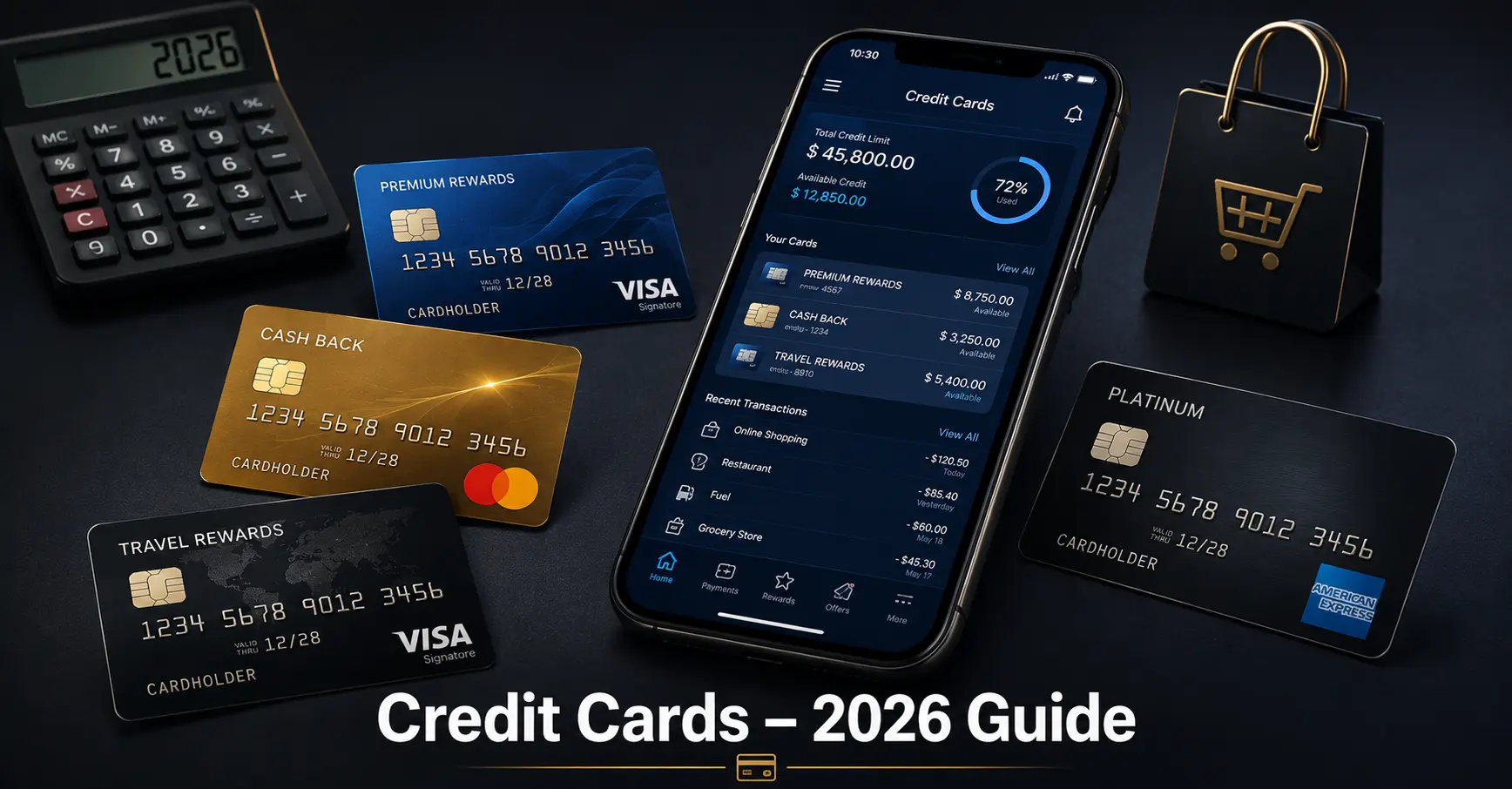
Credit cards remain one of the most widely used financial products across leading developed economies in 2026. Millions of consumers in the United States, United Kingdom, Canada, Germany, France, Japan, and Australia use credit cards for everyday purchases, building credit history, and managing cash flow. With hundreds of options available, understanding the current credit card landscape can help consumers make better choices. This article provides a general overview of credit card types, features, and considerations across these mature markets. It is for informational and educational purposes only.
How Credit Cards Work
A credit card allows the cardholder to borrow money from a financial institution up to a predetermined credit limit. The borrowed amount must be repaid by the monthly due date to avoid interest charges. If the full balance is not paid, interest accrues on the remaining amount. Credit cards also come with an annual percentage rate which varies based on the card type and the cardholder’s creditworthiness. Most credit cards report payment activity to credit bureaus, which affects the cardholder’s credit score over time.
Common Types of Credit Cards
Cash back credit cards offer a percentage of spending back as a reward. These are popular among consumers who want simple, predictable rewards without tracking categories or points.
Travel rewards credit cards earn points or miles that can be redeemed for flights, hotels, and other travel expenses. These cards often come with additional benefits like travel insurance and airport lounge access.
Low interest credit cards are designed for cardholders who occasionally carry a balance. These cards offer lower annual percentage rates compared to standard cards.
Balance transfer credit cards allow consumers to move existing credit card debt to a new card with a lower introductory interest rate. This can help reduce interest costs while paying down debt.
Secured credit cards require a cash deposit that serves as the credit limit. These are often used by individuals building or rebuilding their credit history.
Business credit cards are designed for small business owners and offer features like expense tracking and higher credit limits.
Current Credit Card Features in 2026
Contactless payment technology is now standard on virtually all credit cards issued in developed economies. Cardholders can tap to pay at most retail locations without entering a PIN for smaller transactions.
Digital wallet integration allows credit cards to be added to Apple Pay, Google Pay, and Samsung Pay. This enables payments using smartphones and smartwatches.
Virtual card numbers are increasingly offered by major issuers. These temporary numbers can be used for online purchases to protect the actual card number from being compromised.
Purchase protection and extended warranty coverage remain common benefits on many credit cards. These features can cover damaged or stolen items and extend manufacturer warranties.
Rental car insurance and trip cancellation coverage are standard on many travel rewards cards. Cardholders should review their specific card terms to understand what is covered.
Important Factors to Consider When Choosing a Credit Card
Annual fees vary significantly across credit cards. Some cards have no annual fee while premium cards can charge several hundred dollars or equivalent in local currency. Consumers should evaluate whether the card’s benefits justify any annual fee.
Interest rates or annual percentage rates determine the cost of carrying a balance. Rates typically range from 12 percent to 29 percent depending on the card and the applicant’s credit profile. Cardholders who pay their balance in full each month may be less concerned with interest rates.
Rewards structures differ across cards. Some offer flat rate rewards on all purchases. Others offer bonus rewards in specific categories like dining, groceries, or travel. Consumers should choose a rewards structure that matches their spending patterns.
Foreign transaction fees apply when using a credit card outside the card’s home country. Many travel cards waive these fees while standard cards may charge 2 to 3 percent of each transaction.
Credit score requirements vary by card. Premium rewards cards typically require good to excellent credit scores. Secured cards and basic cards may be available to consumers with fair or poor credit.
How Credit Card Applications Affect Credit Scores
Applying for a credit card generates a hard inquiry on the applicant’s credit report. This can temporarily lower the credit score by a few points. Multiple applications within a short period can have a larger negative impact. Once approved, using the card responsibly and making on time payments can help build or improve credit scores over time. Credit utilization which is the percentage of available credit being used also affects credit scores. Keeping utilization below 30 percent is generally recommended.
Common Credit Card Fees to Understand
Late payment fees are charged when the cardholder fails to make the minimum payment by the due date.
Cash advance fees apply when using a credit card to withdraw cash from an ATM. Interest on cash advances typically starts accruing immediately with no grace period.
Balance transfer fees are usually 3 to 5 percent of the amount being transferred.
Returned payment fees may apply if a payment check bounces or an automatic payment fails.
Over limit fees may be charged if the cardholder spends beyond the credit limit, though many issuers have eliminated these fees.
Credit Card Regulations in Developed Economies
The United States has the Credit CARD Act which provides protections including limits on interest rate increases and requirements for payment due dates. The Consumer Financial Protection Bureau enforces these regulations.
The United Kingdom follows regulations from the Financial Conduct Authority. These include rules on persistent debt and requirements for lenders to assess affordability.
Canada has the Federal Consumer Protection Framework for Credit Cards which includes rules on interest calculation and disclosure of fees.
Germany, France, and other European Union countries follow the Consumer Credit Directive which mandates clear disclosure of terms and provides right of withdrawal.
Japan has the Installment Sales Act and guidelines from the Financial Services Agency that regulate credit card issuance and collections.
Australia follows the National Consumer Credit Protection Act and regulations from the Australian Securities and Investments Commission.
Tips for Responsible Credit Card Use
Pay the full balance each month to avoid interest charges. Set up automatic payments for at least the minimum amount due to avoid late fees. Review monthly statements for unauthorized transactions. Keep credit utilization below 30 percent of the total credit limit. Avoid opening multiple new credit cards in a short period. Notify the issuer immediately if the card is lost or stolen. Check credit reports regularly for accuracy.
Final Thoughts
Credit cards are valuable financial tools when used responsibly. Consumers in developed economies have access to a wide range of options from cash back cards to travel rewards cards. Comparing annual fees, interest rates, and rewards structures can help identify the best fit for individual spending habits and financial goals.
Disclaimer : This article is for informational and educational purposes only and does not constitute financial, legal, or professional advice. Credit card terms, interest rates, and fees change frequently. The information presented may not reflect the most current offerings. Readers should verify all details directly with card issuers and consult with a qualified financial advisor before making any financial decisions.